Sean Finter · Field Notes
Hard-Earned Lessons from
30+ Years in Hospitality
These aren't theories from a classroom. They're frameworks built across 8 countries, 10,000+ clients, and every expensive mistake an operator can make. If you run a bar or restaurant — or lead the people who do — this is for you.
Recent Posts
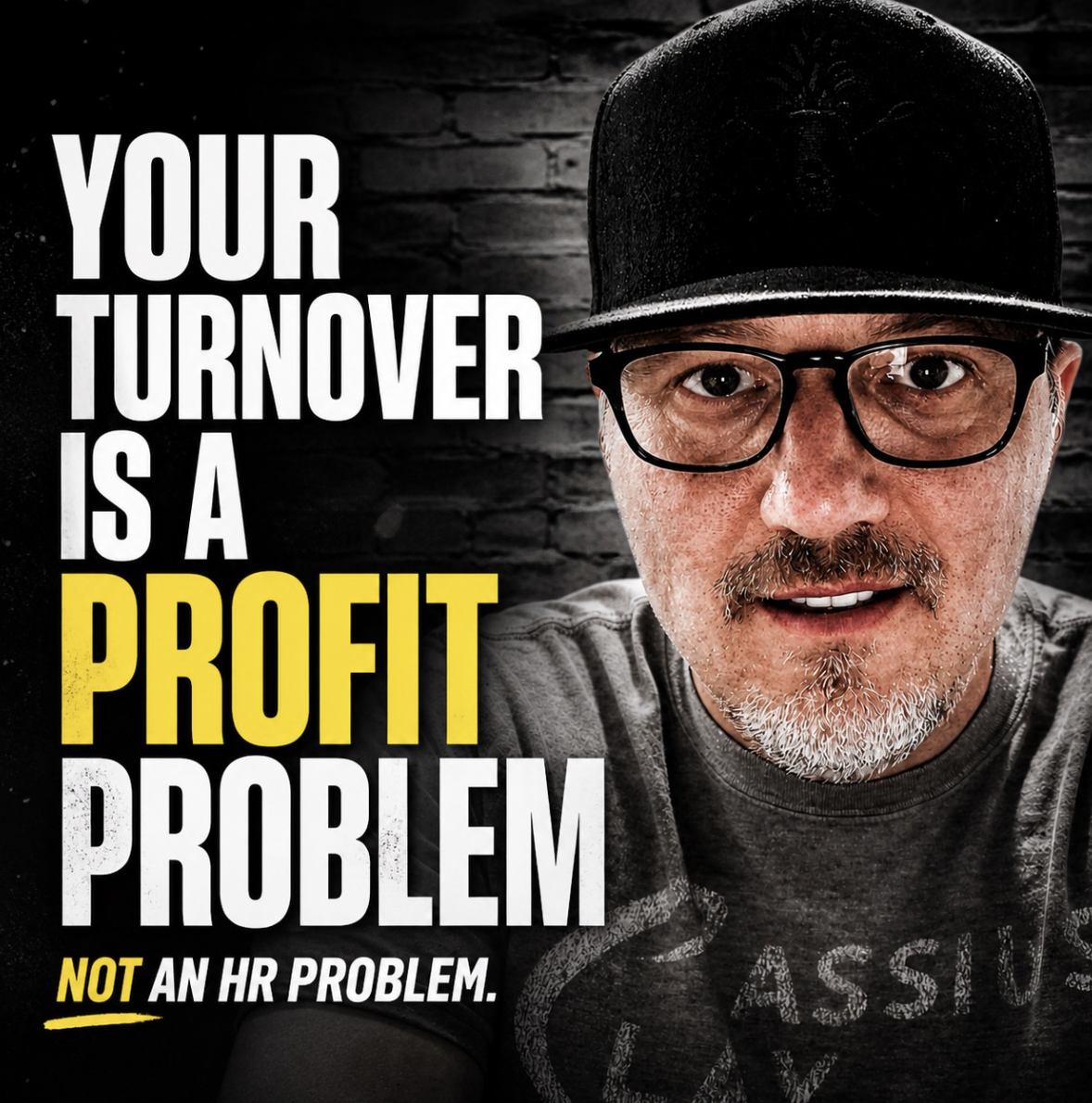
Most operators obsess over finding A-players. They ignore the real game.
Retention Is the Real Profit Lever
Turnover isn't an HR problem — it's a profit problem. Every time someone walks out the door, you lose experience, guest relationships, consistency, and momentum. Here's what the best operators do differently.
Read More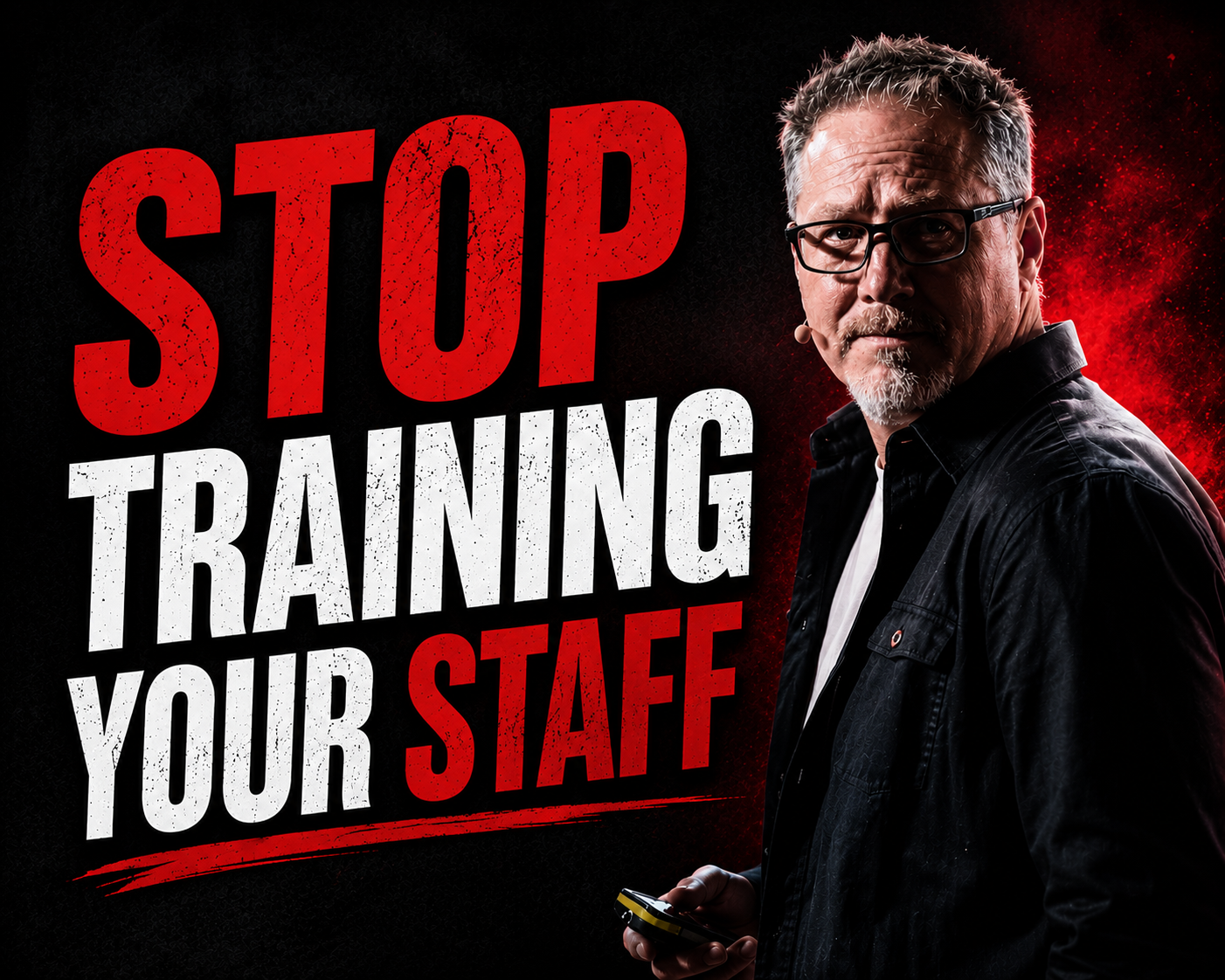
Most operators don't have staffing problems. They have induction problems.
Induction Is a Profit Strategy, Not Paperwork
The best bars don't treat induction as orientation. They use it to install standards, identity, accountability, and culture. Here are the 7 things great induction programs accomplish.
Read More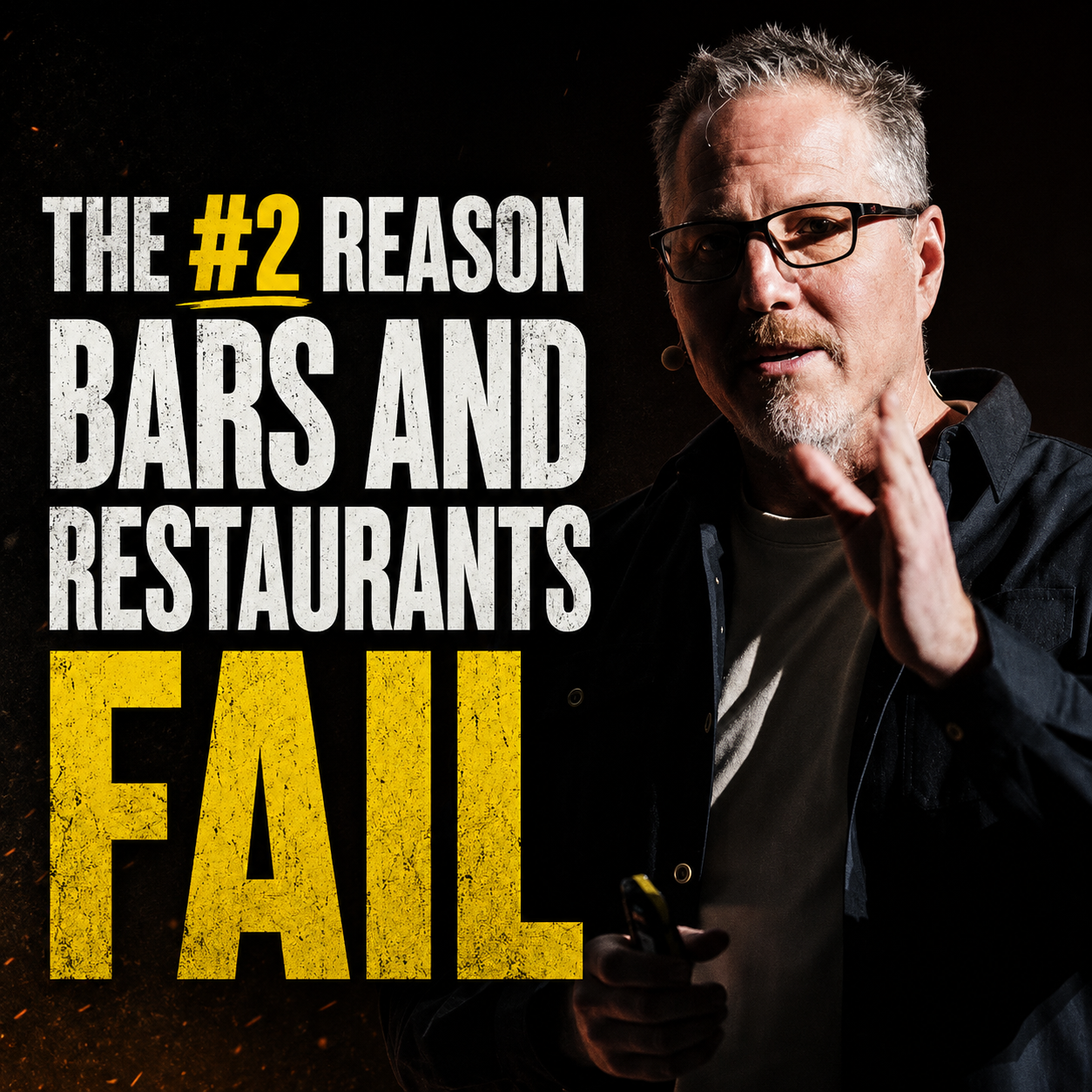
80% of your revenue happens in 20% of your hours. Are you engineering those shifts or just surviving them?
The #2 Reason Bars and Restaurants Fail
Busy doesn't pay the bills — efficiency does. A dozen shifts decide whether you make money or slowly bleed out. Here's how to increase dollars-per-hour during peak hours by 15% or more.
Read More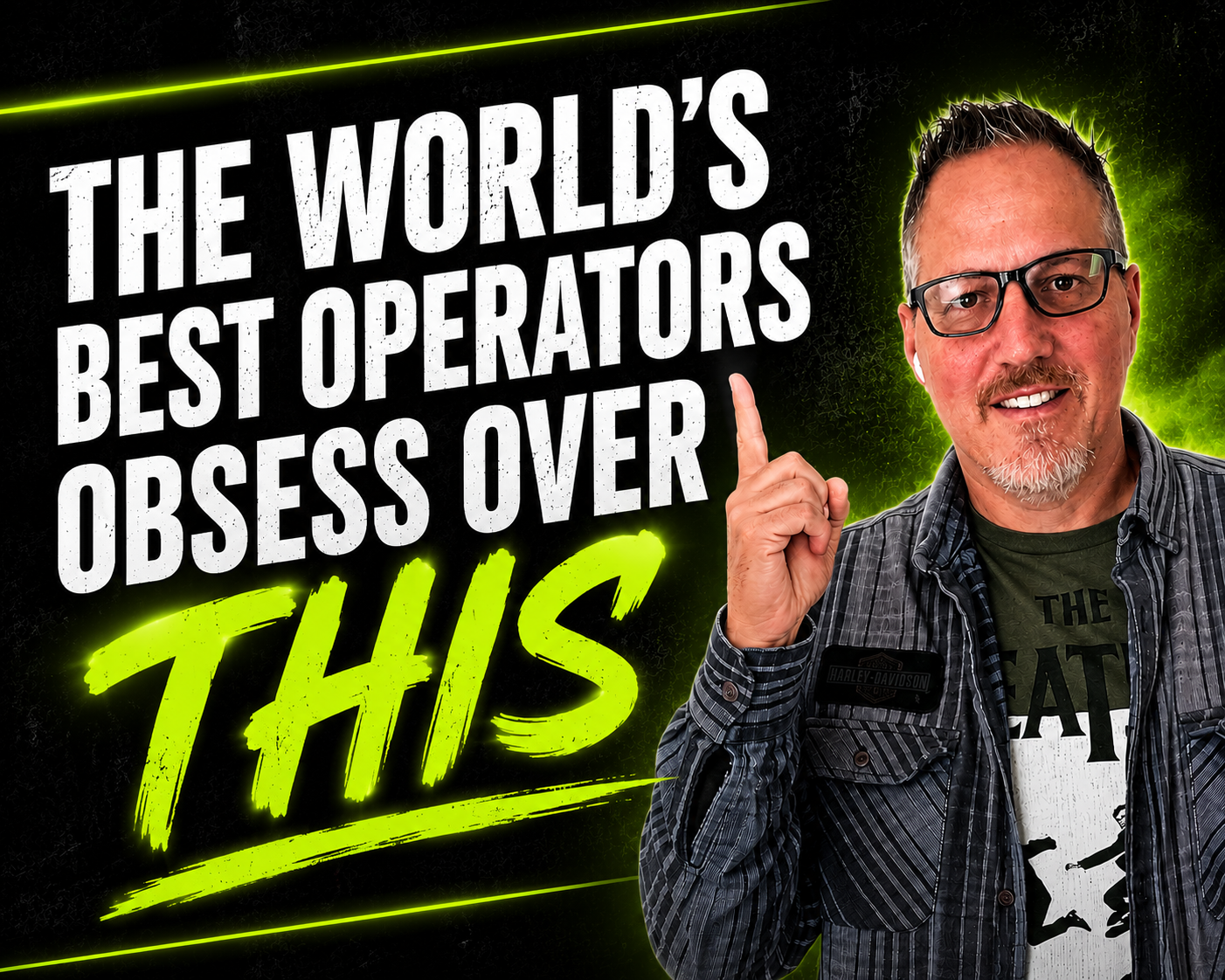
Most bars don't have a hospitality strategy. They have hope.
The World's Best Operators Obsess Over This
Guests expect quality food and drinks — that's the minimum. What determines whether they come back is how you made them feel. The best operators design that emotion on purpose.
Read More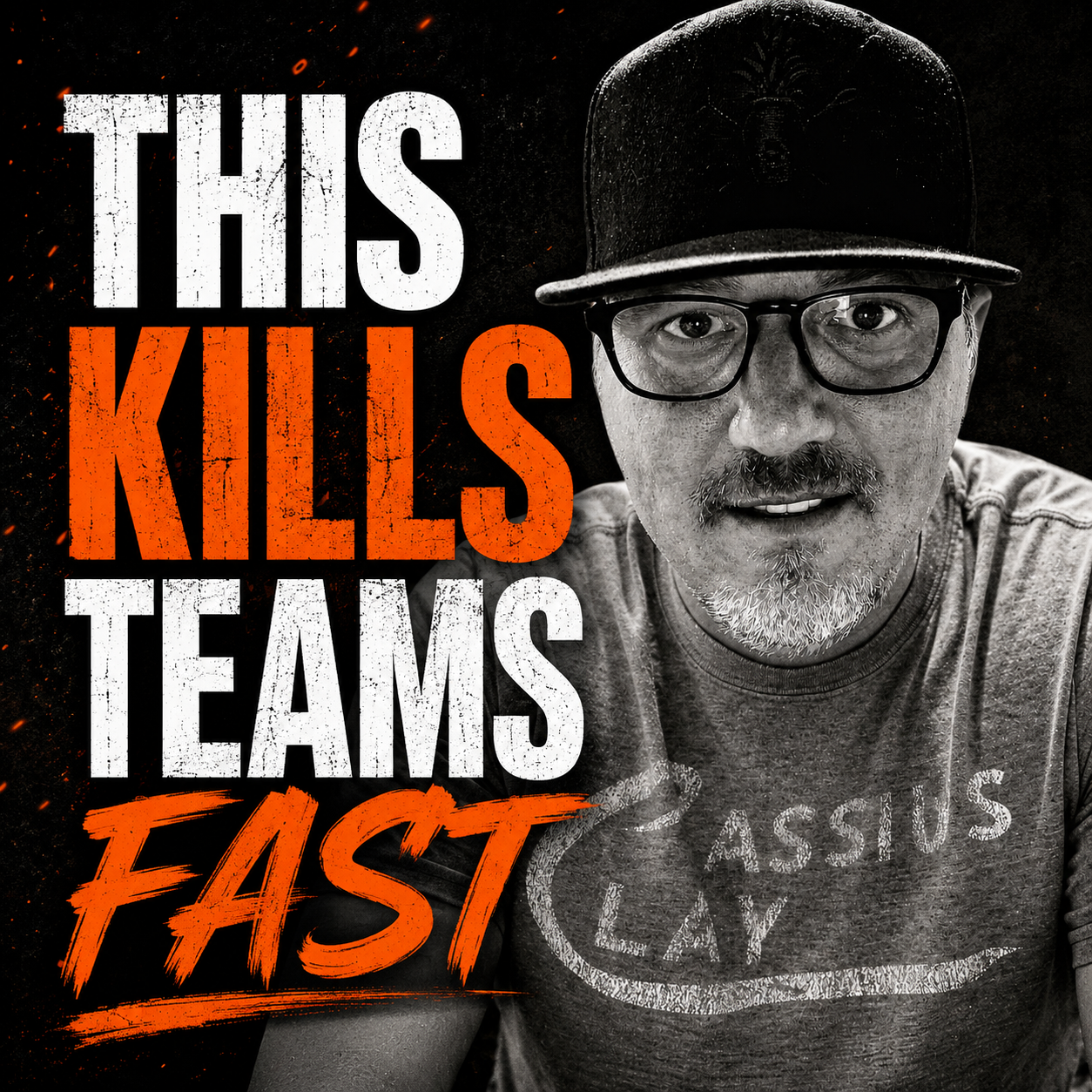
"Sales are down 8% — do better." Pressure without clarity creates anxiety, not performance.
The Fastest Way to Destroy Team Morale
Watching a leader demand results from a team with no systems, targets, or training was the moment I understood most businesses don't have a motivation problem. They have a clarity problem.
Read More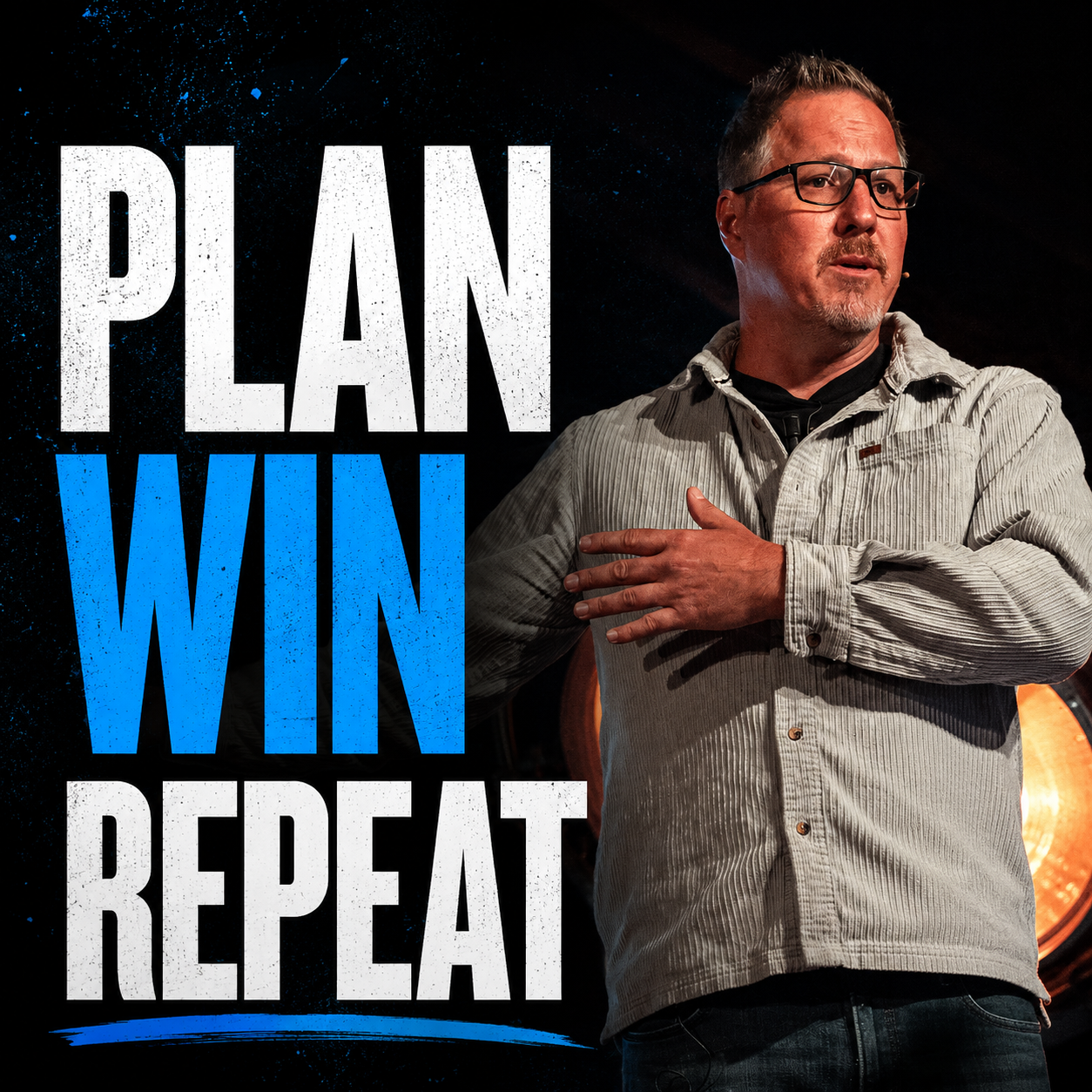
Getting into a taxi and saying "drive carefully" — that's most business plans.
Write a Real Business Plan or Keep Guessing
I spent 4 years turning around bars and restaurants. In almost every case, the first job wasn't cutting costs or retraining staff. It was helping them write a plan specific enough to actually use.
Read More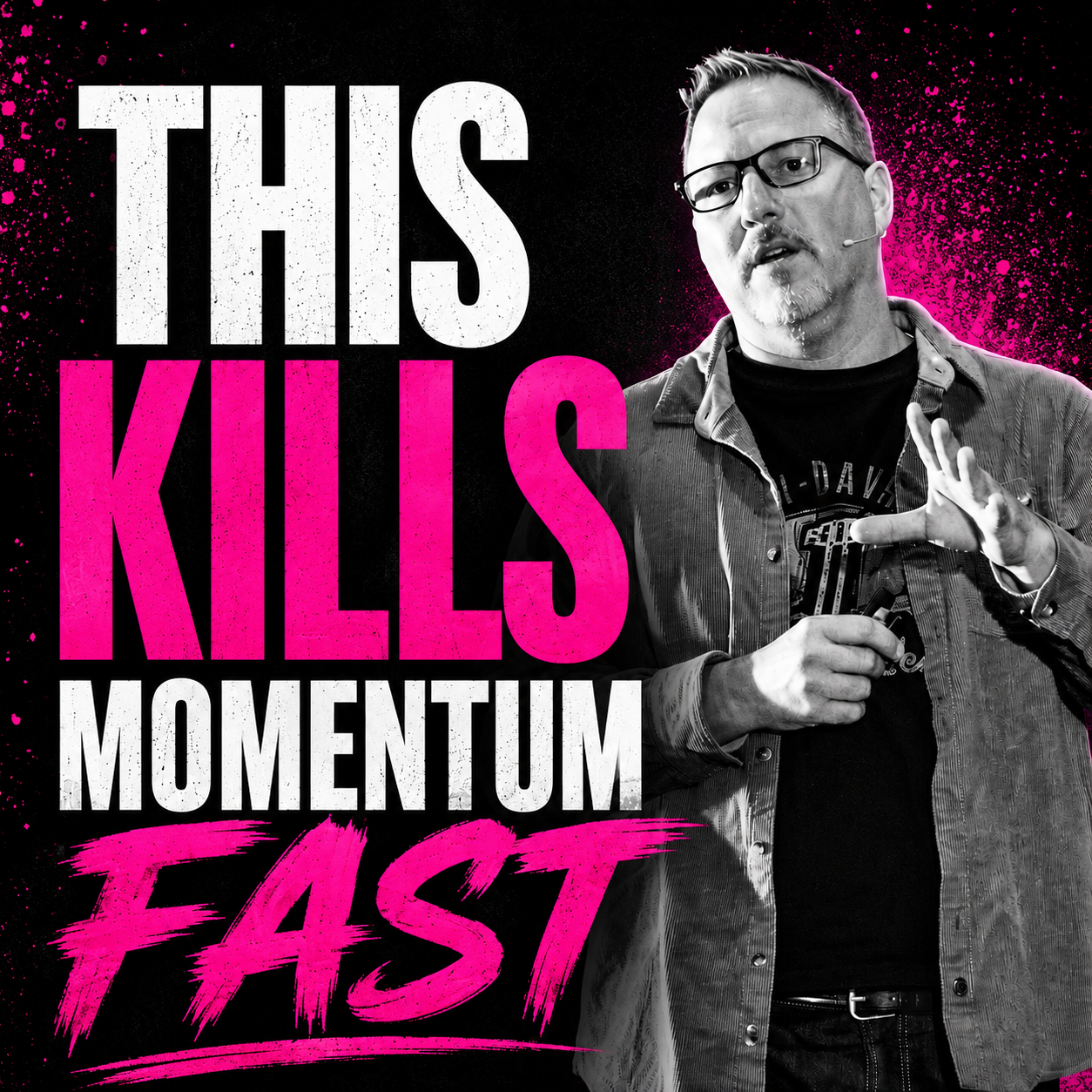
People are late. Nobody prepared. The meeting turns into group therapy. Sound familiar?
How to Run a Leadership Meeting That Actually Works
Bad meetings hurt. The best operators use them to create alignment, drive accountability, and solve problems fast. Here's a simple structure that works every time.
Read More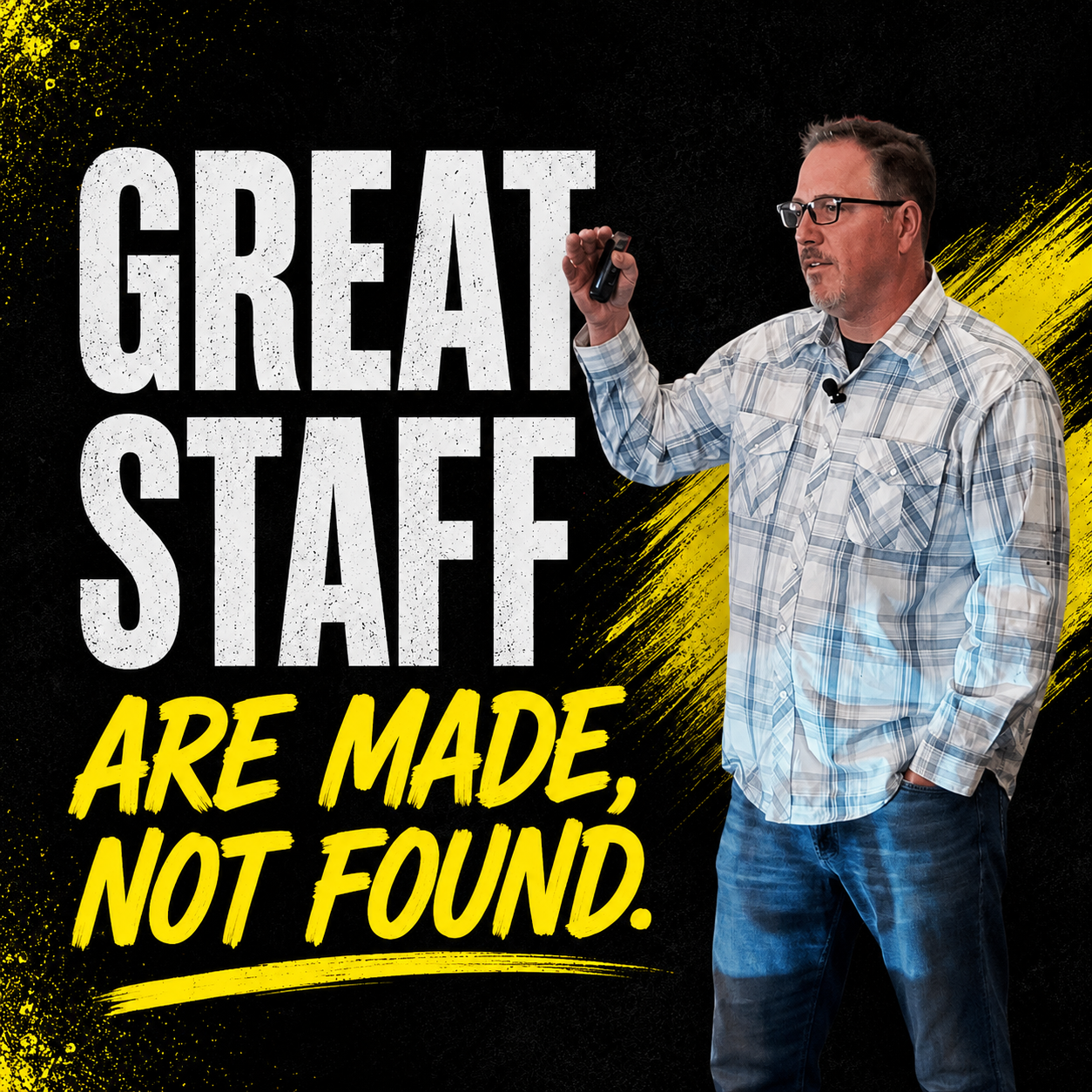
Too many operators search for unicorns to plug into broken systems.
Great Staff Are Made, Not Found
The best operators don't build businesses dependent on "finding great people." They build induction and training systems that create great people. Here's how to stop searching and start developing.
Read More
"I don't work with anyone who doesn't align with our values. Period."
Culture Is Built by What You Tolerate
One restaurant had a feeling I'd never experienced — warmth, confidence, pride, consistency. When I finally asked the owner how, his answer was the simplest and hardest thing I'd heard.
Read More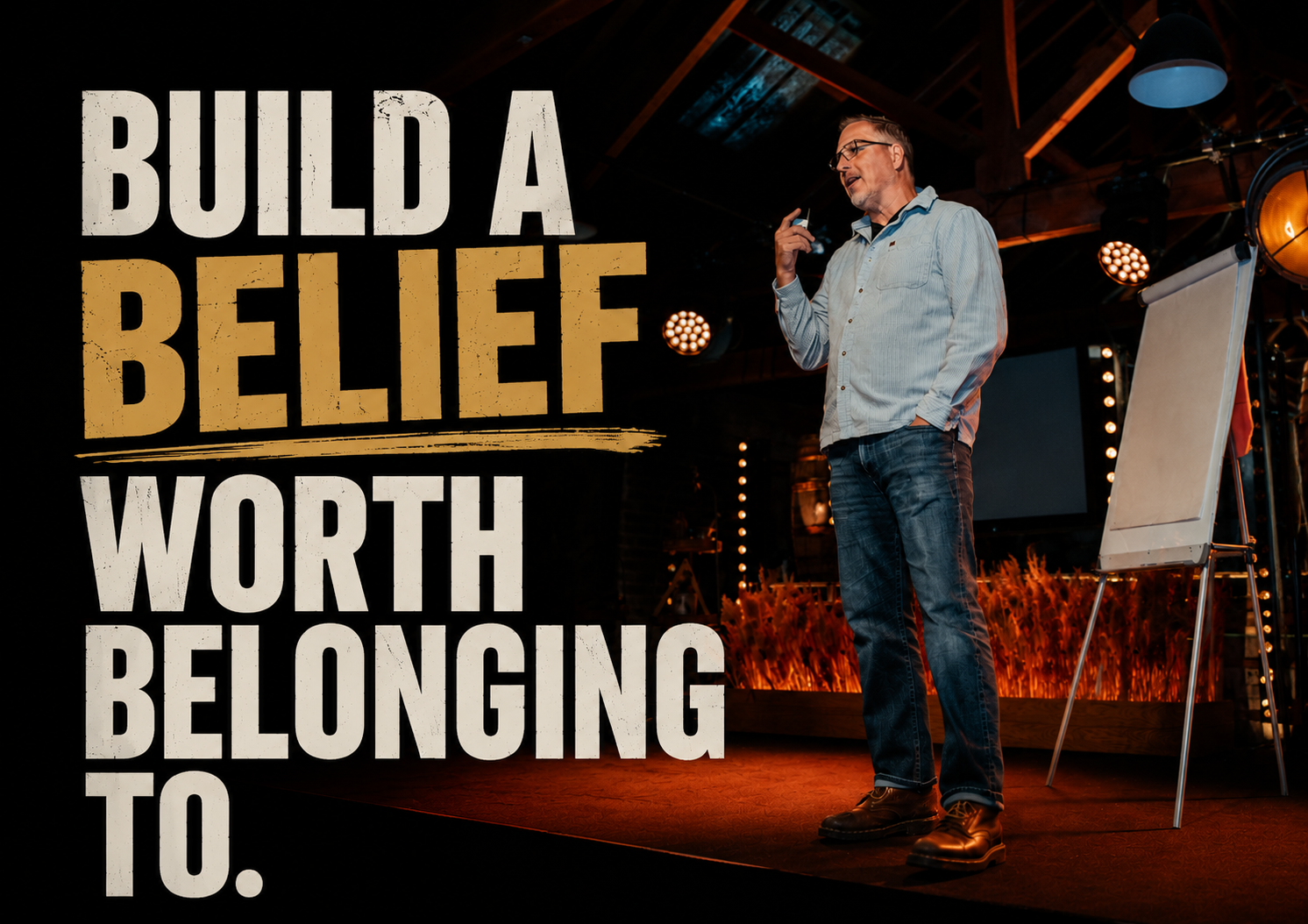
Talented people choose who they work for. At some point the interview flips.
If You Can't Explain Why You Deserve Great People, Don't Be Surprised When They Choose Somewhere Else
Most bars can explain what they do. The more important question is why. Talented people can feel the difference — and so can guests.
Read More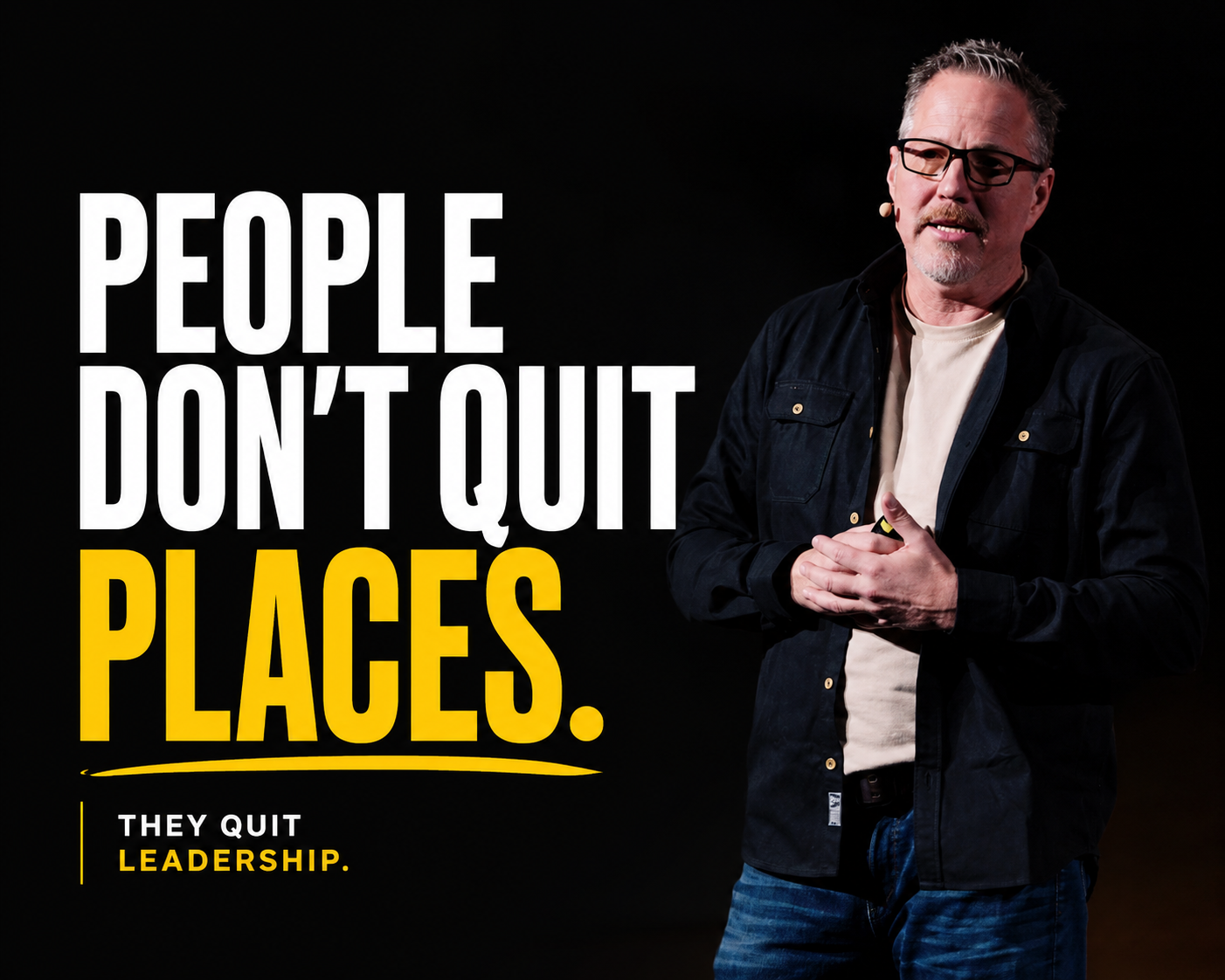
Have you built a business worth being loyal to?
High Retention Is the Most Underrated Competitive Advantage in Hospitality
At industry turnover rates, your cocktail may be made by someone who just started or is about to quit. Before you can matter as a restaurant, you need to matter as an employer.
Read More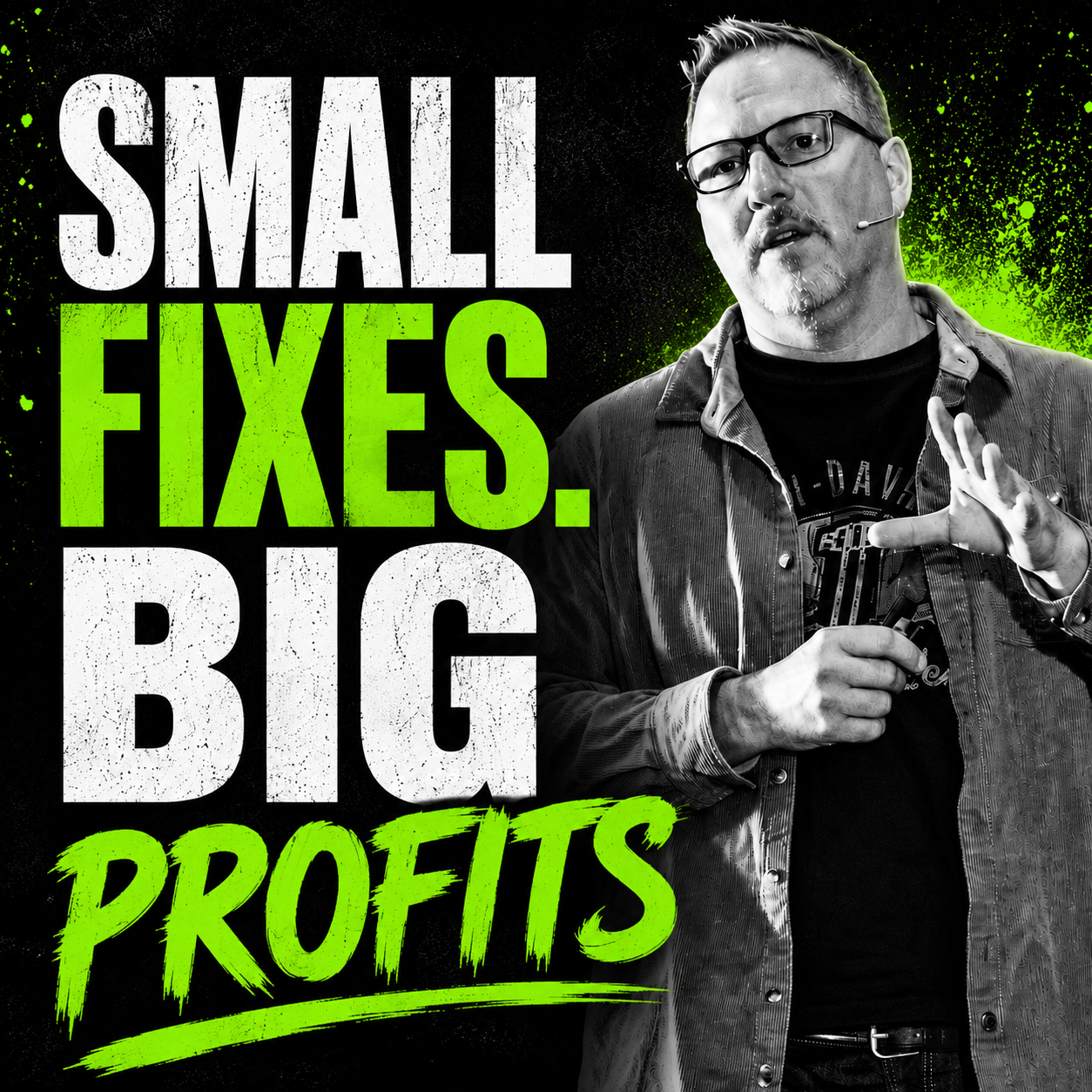
My GM wanted $850 a quarter for a contest called "Seconds Shaving." I wasn't crazy about the name… but I agreed.
How We Turned Speed Optimization Into a Team Sport
The real win wasn't just speed. It was ownership. When your team starts seeing continuous improvement as their responsibility, that's a major cultural shift most businesses never achieve.
Read More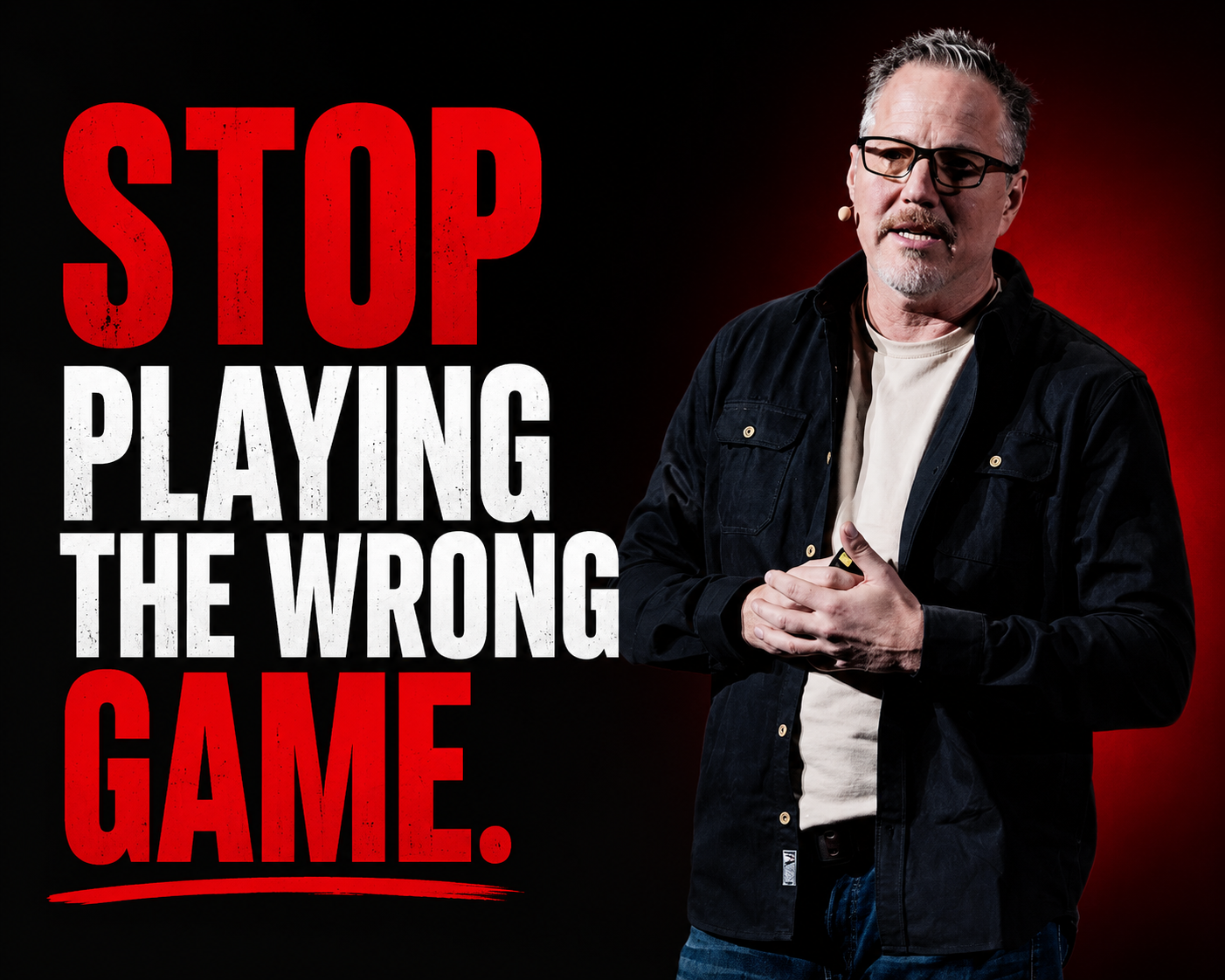
Your team may be working hard and playing the completely wrong sport.
Satisfied Is Not the Goal — You're Playing the Wrong Game
Baseball and cricket both use bats and balls — but they're not the same game. We drop servers on the floor who think the job is done when the guest leaves "satisfied." It's not.
Read More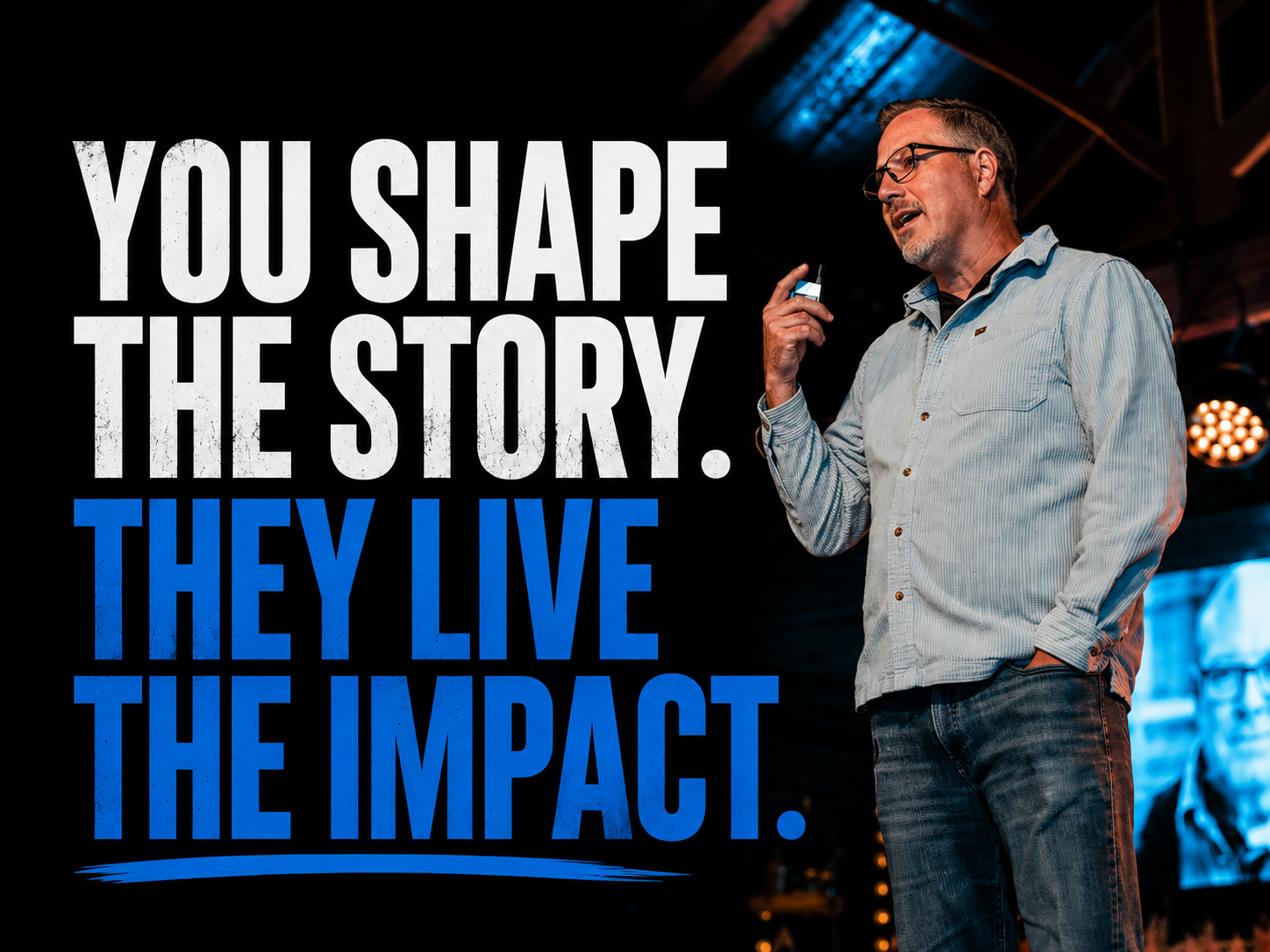
What will a staff member say about you 20 years from now?
You Have to Give Yourself Permission to Proceed
At a leadership retreat in my early 20s, a facilitator handed us a blank page and asked one question. I stared at it for what felt like forever — not because I had good words to choose from.
Read More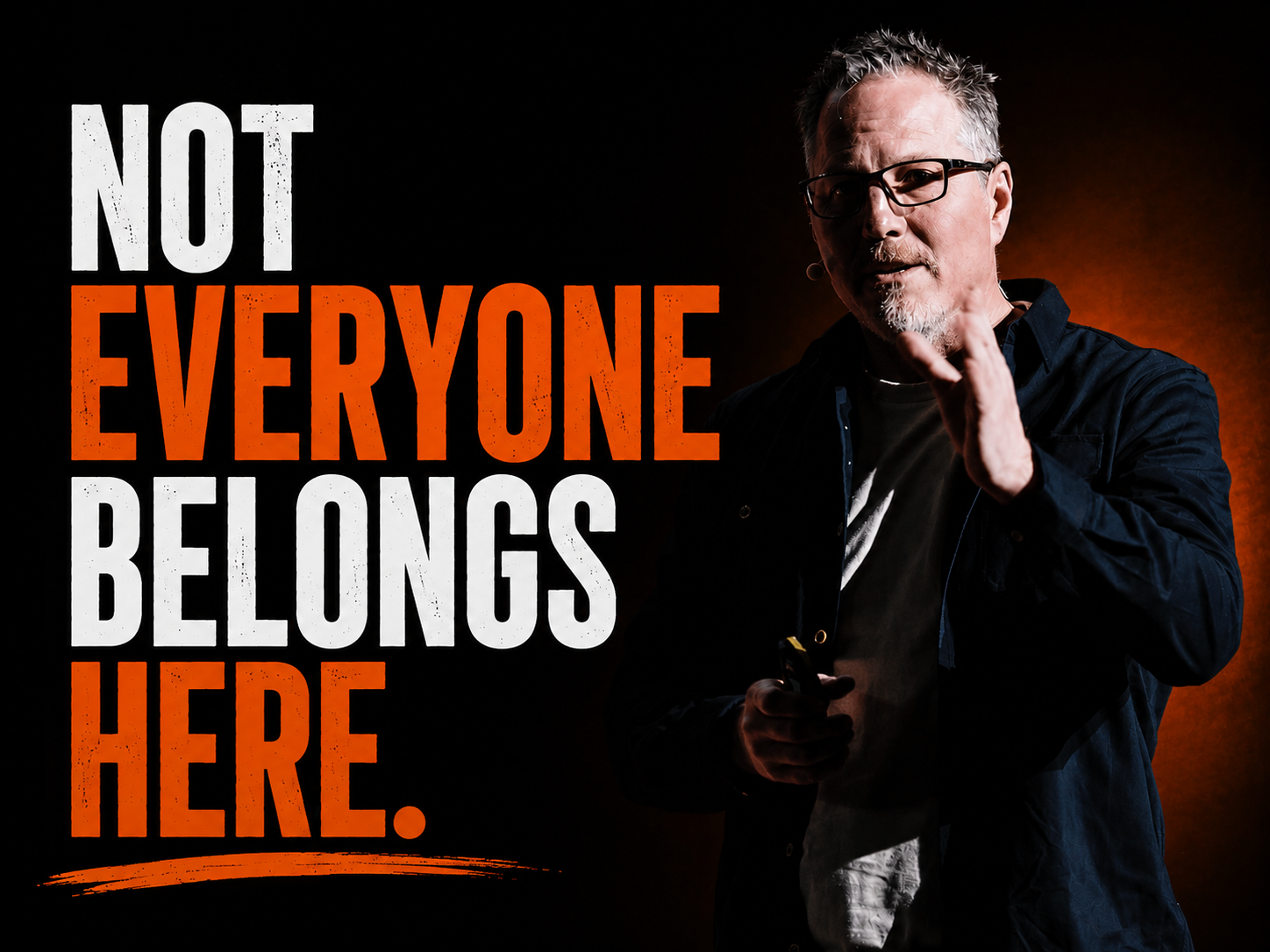
If 100% of your hires make it through, you're slowly diluting your culture.
Your Standards Are Not What You Say — They're Who You Allow to Stay
In our early years, 1 in 4 hires became A-players. We improved hiring. Then induction. But even at our best, 25% still didn't make it through. And that taught me something critical.
Read More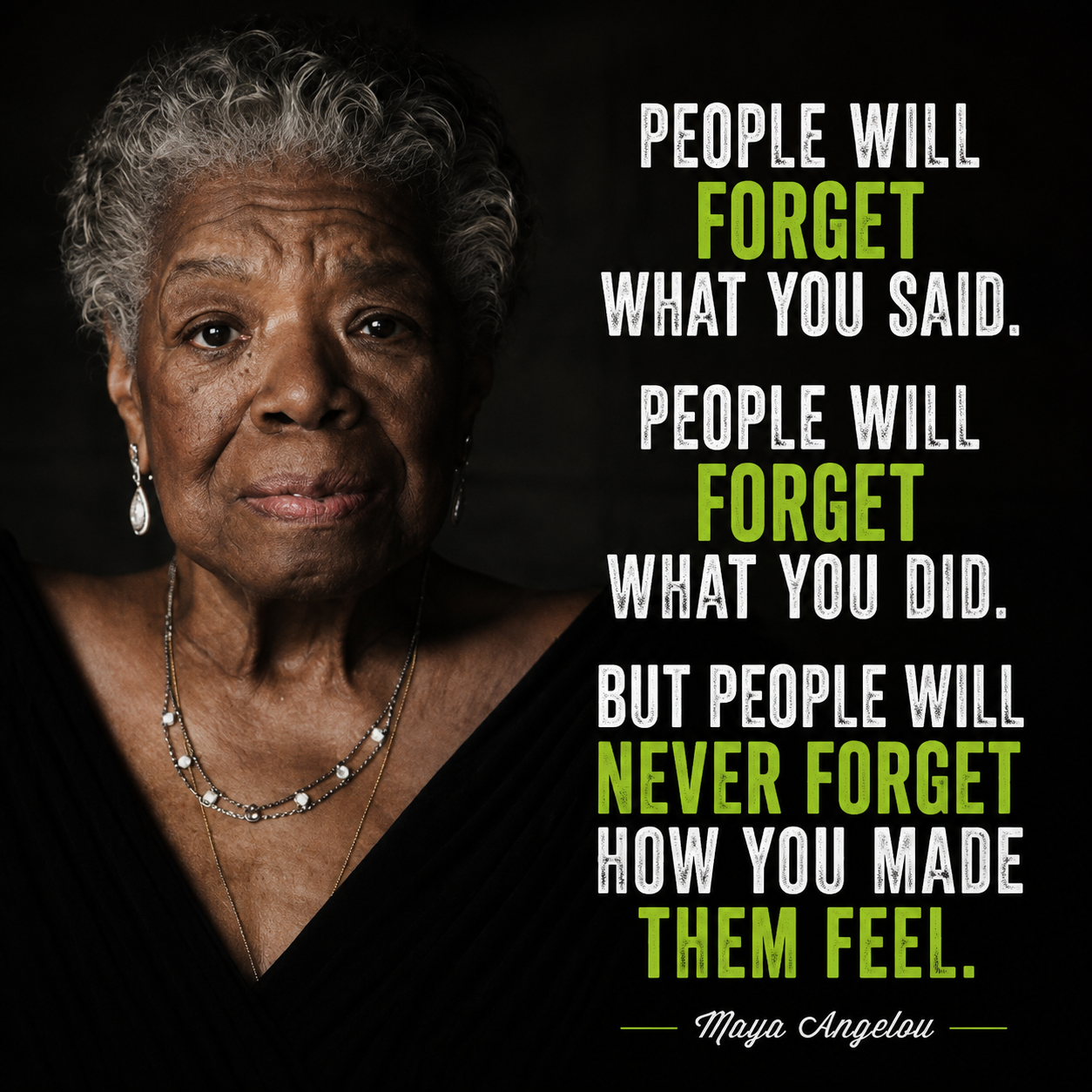
Guests forget your pasta. They remember the energy you brought into the interaction.
Rate, Match, and Elevate — The Energy Formula for Remarkable Service
The key skill of great front-of-house staff isn't memorizing the menu. It's learning how to control your own energy — and then influence the energy of the guest.
Read More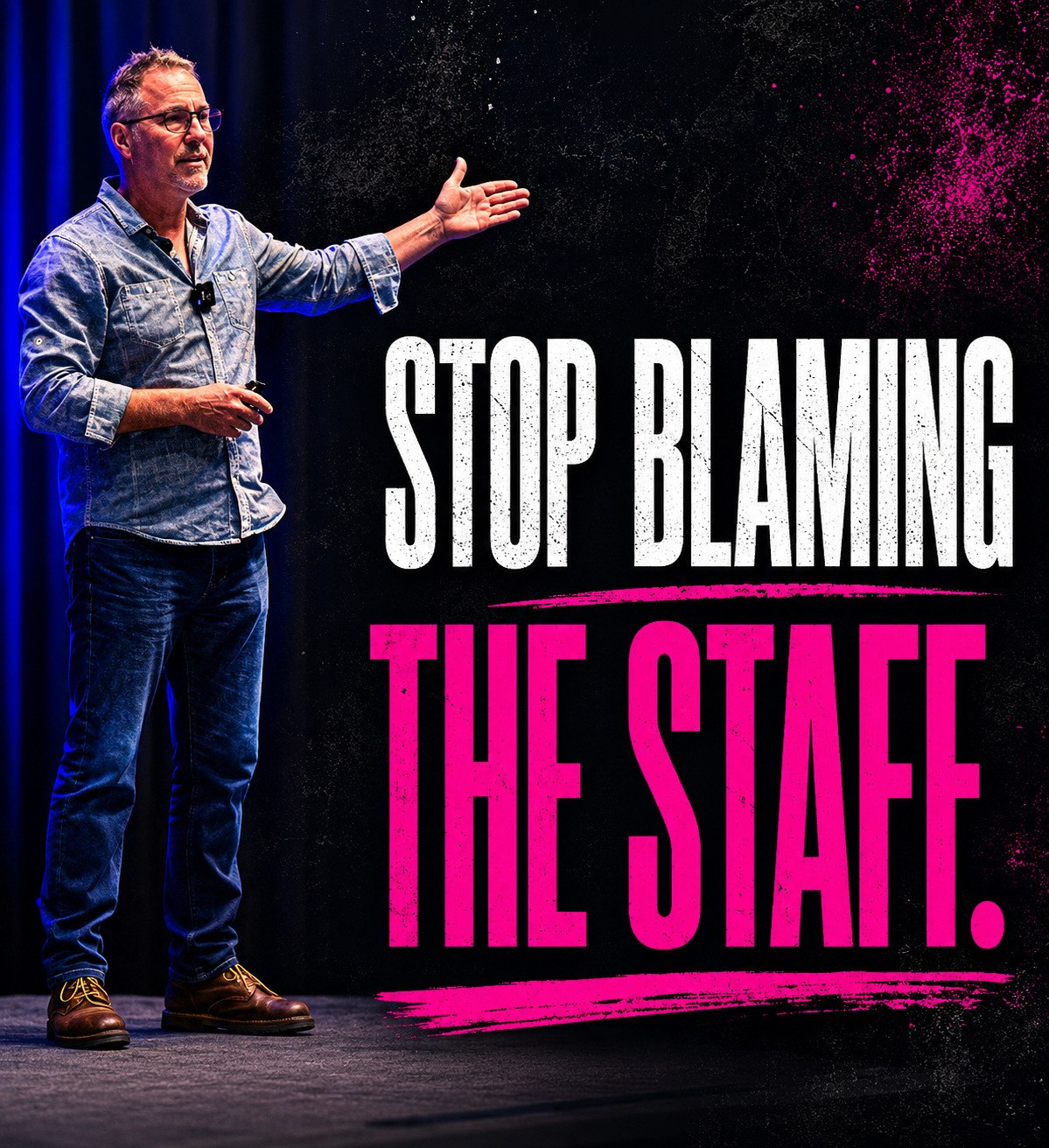
I felt sorry for the team. The host looked exhausted. The bartender was on her phone. I don't blame them — I blame leadership.
There's No Such Thing as Bad Staff
High prices and low standards don't just disappoint guests. They teach them not to come back. There are wrong hires, undertrained people, unsupported teams — and leaders who haven't owned the mess yet.
Read More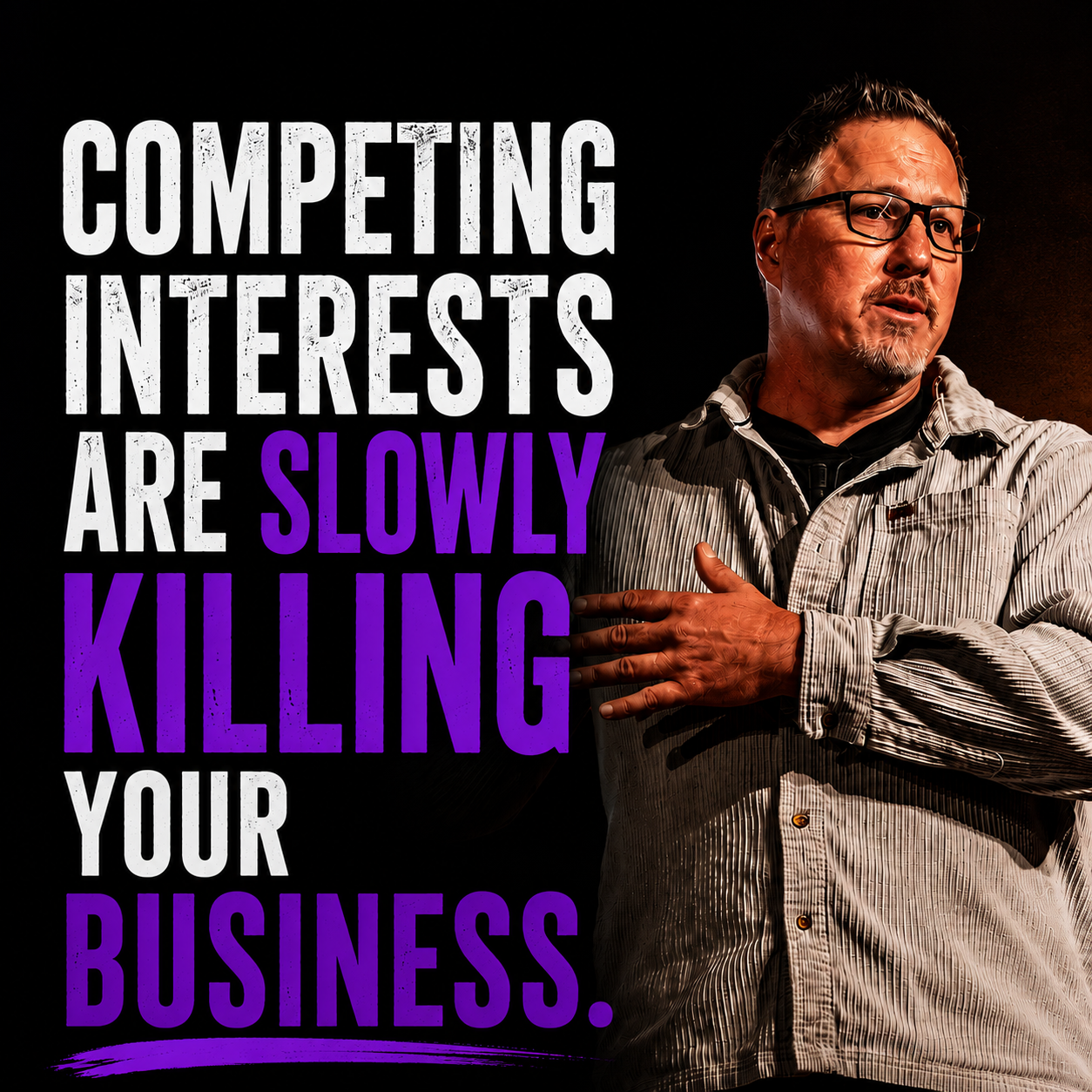
A server section shouldn't be sized by how many tables they can survive — but by how many guests they can make want to return.
Competing Interests Are Slowly Killing Your Restaurant
Servers advocate for bigger sections. The math seems obvious. But when sections are too big, the server wins short-term while the business loses long-term. Great businesses play a different game.
Read More
"If this is the only time I'll ever be in your restaurant, what do I need to have?" Most teams don't have an answer.
The Best Restaurants Aren't Famous for 47 Pretty Good Things
Sales is the transfer of enthusiasm. If your team isn't enthusiastic about anything on the menu, why would the guest be? Give your team 90 days to create one undeniable thing — then watch what happens.
Read MoreBrowse by Topic
Leadership
Hospitality & Guest Experience
Operations & Profitability
Who is Sean Finter?
Today, I’m a bar and restaurant coach—but not the kind you’re used to.Let’s face it: the industry is overrun with “coaches” and “consultants,” many of whom have never actually succeeded at what they’re teaching. That’s bullsh*t. You wouldn’t hire a running coach who’s never done a 5K, so why trust someone who hasn’t been in the trenches?I didn’t graduate from a prestigious business school or work for McKinsey. In fact, I didn’t even finish high school. My education came the old-fashioned way: grit, hustle, relentless learning, and a whole lot of messy trial and error. As a teenager, I had nothing to lose, so I went all in. When my friends went to college, I followed advice from early mentors and apprenticed under some of the best operators and consultants in the only industry I ever felt at home in—hospitality.
Bootstrapping Education
After a transformative two-year stint at Hard Rock Café in Toronto, I moved to London and immersed myself in the global hospitality scene, working in or visiting dozens of countries. For six years, I prioritized mentorship over sexier roles and higher pay, taking positions that offered hands-on learning with world-class operators. I was given more opportunity than I deserved and I worked hard to produce results. I learned a fundamental truth: the best businesses in the world are brilliant at the basics. Mastering fundamentals might not be glamorous, but it’s the foundation for leverage, scale, and profit.
Learning to Fly
At 26, I decided to put everything I’d learned to the test. I moved to Sydney, Australia, and bought my first restaurant out of bankruptcy for $1, along with its debts. Over the next six years, I turned it around, acquired seven more properties, and built a team that consistently outperformed the market. By 33, my group employed 396 people and generated $32 million annually.
Taking Care of Business—But Not Myself
From the outside, I was living the dream. But inside? I was barely holding it together. Working 100-hour weeks, fueled by Coca-Cola, Red Bull, and food that could be consumed on the run between meetings, I gained nearly 100 pounds, grew distant from my family, and spiraled mentally. Despite my exhaustion, I couldn’t sleep, and stress consumed me.Yet I had a smile on my face to the rest of the world.
The Wake-Up Call
During a physical for Key Man insurance, my doctor bluntly said 14 words that changed my life: “If you keep this up, you won’t live to see your kids get married.” My heart was working way too hard and my diet was terrible. I tried to sell him, but he doubled down: “I see young entrepreneurs as young as you, in far better shape than you die every year. You’re on a deadly path.”Walking out of his office, I broke down in the park across the street. My world cracked open. I realized the life I’d convinced myself was necessary for success was unsustainable. Sacrificing my health, time, and relationships wasn’t the price of success—it was a delusion. I needed to make changes- fast.
Re-Routing My Career—and Life
Five months later, I sold my entire group of bars and restaurants. It was one of the hardest decisions I’ve ever made. On the one hand, I felt like I was just hitting my stride (my “plan” was to own 100 properties because, well, 100 sounded cool). On the other, I felt like I was letting my team down but I knew that my doctor was right. Add to that I didn’t recognize—or like—the person I’d become. I needed to rediscover the people, places, and things that mattered most. How I Accidentally Became a Consultant But I wasn’t ready to leave hospitality entirely and the truth is that I had no where to do- hospitality had been my like since I was 12. Before selling my bars and restaurants I made a promise to help 10 other owner-operators avoid the traps I’d fallen into. That promise became Barmetrix, the consulting firm I started on my kitchen table with a laptop, a kitchen scale, and a spreadsheet. Over the next two decades, that little firm served more than 10,000 businesses across 28 cities in 8 countries. I sold the company in 2022, but its impact continues.
Becoming an Author after a Brush with Death
As a lifelong motorcyclist, I’ve never feared death the way a healthy human does. But one flight over the Rockies changed that. When the plane hit an air pocket, it dropped violently, throwing unbuckled passengers two rows back and sending overhead locker bags flying. 3 minutes after it ended it happened again, even worse. Oddly, I felt calm, convinced it was the end.Then I was overcome with guilt: I haven’t written down my life’s experiences for my kids in the event I went too soon.Before we even landed, I started feverishly scribbling. Over the next five weeks, I poured out everything I’d learned, creating the first version of what became ‘Business of Bars’. That book became the foundation for video courses taught in 50 countries, transforming me from a high school dropout to an global educator of public company executives, owners of bars and restaurants and hundreds of thousands of industry staff. My partnership with Diageo on this project allowed me to scale the program in a way I never would have imagined. I traveled to over 30 countries myself to roll out the program. Forest Gump had struck again!
Why I Became a Coach
Coaching is the best job I’ve ever had. In this final chapter of my professional career, I’ve chosen work I’d happily do for free if I were retired. But here’s the thing: free advice gets ignored. My clients pay me upfront, and I pay them back with results—a kick-ass return on investment.I’ve always had coaches myself (I have two today). In business, hiring a coach is like installing a system for success: you get a professional’s perspective, avoid costly mistakes, and accelerate growth.Coaching lets me help others sidestep the landmines I stepped on. It’s about enabling clients to achieve what they thought was impossible—and lighting the fire to make it happen.
Why Group Coaching Works
Group coaching is where transformation happens. In a small group, you learn from me—but also from dozens of others at different stages in their journey. It’s a force multiplier.For private issues, I make time for one-on-one calls, but group coaching provides unparalleled accountability, insight, and support.If I can’t help, usually someone in my vast network can.
In Closing
I’m a father of four who learned the hard way what it means to sacrifice too much for success. My mission is to show others they don’t have to choose between thriving businesses and thriving lives.Hospitality isn’t just about food and drinks. It’s about connection, community, and creating extraordinary experiences. Success starts with being in touch with yourself and seizing the moment. At my funeral, no one will say, “He should’ve taken his shot” or “He should’ve lived more.” Life is too short to sit on the sidelines. Let’s get to work.
© Sean Finter 2026
All Rights Reserved.